
-
By Alison Hill
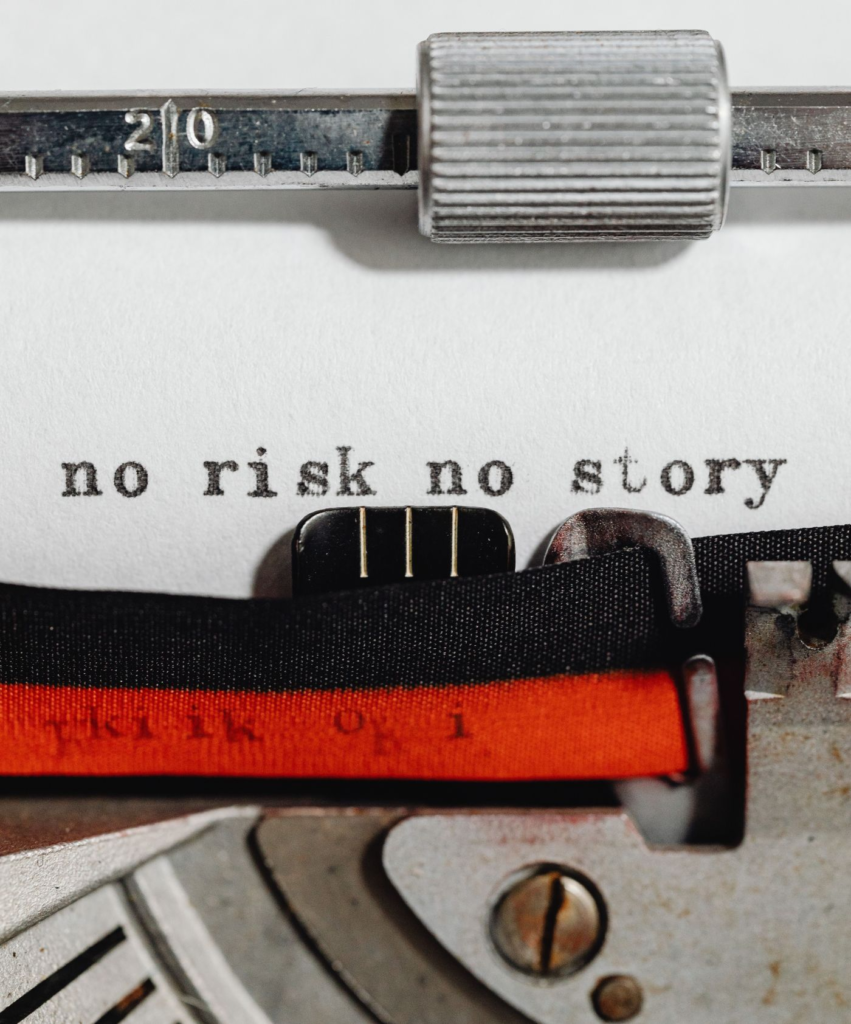
Image by Karola-g via Pexels We consume horror for the same reason we ride roller coasters: the sheer thrill of it. A safe thrill, with no unpleasant afterthoughts.
But sometimes stories can leave a scar. They sneak in, join us in the dark, uncharted subconscious, and then hit hard. The bleeding doesn’t stop for days; the feeling stays for good. Think “The Lottery” by Shirley Jackson or “Under the Flagstone” by Morag Greer.
They trigger the what-ifs? What if you were slowly devoured by vampires with forks? What if the council summoned everyone to City Hall, saying, “Bring a pocketful of stones.”
Thank goodness it’s not real, right? Once the book is shelved, it’s back to good old reality.
But what if the premise of a horror story is true? Where do we hide then?
Maybe too much reality yanks the viewer out of the story and spoils the escapist aspect of what should be pure entertainment?
I write horror, so I’ve pondered these questions a lot. When we create this fictional stuff and realism creeps into the story, we must stop and ask: Why am I doing this? And even: Should I be writing this?
Movies have covered everything from organ harvesting (“Turistas”) to postpartum depression/psychosis (“First Born”). Some claim “Hostel,” “The Texas Chain Saw Massacre,” “Psycho,” “The Rite,” and “The Silence of the Lambs” are based on true events or characters.
What’s the right amount of terror, dread, and revulsion?
If the purpose of horror is to be safely, comfortably scared, thinking about horrific issues could ruin the experience. Truth can be ugly. Horror fans just want to sit back and crack open a beer, while a poor soul onscreen gets their eye drilled out by some (pretend) maniac in Slovakia.
But horror writers are ruthless killers. It comes with the job.
At times, I start feeling bad for my characters, the ones that don’t make it. I can see their faces, twisted in agony, the tortured screams, “Whyyyyyy meeeee? Why don’t you pick on Angie; she’s a minor character.”
“Can you … forgive me?” I ask, imploringly, my guilt-ridden hands poised over the keyboard. Then I see it clearly, right there in the sentence. The horror! The horror! An adverb. Get thee behind me, demon. I know all about your kind. I’ve read “On Writing” by Stephen King. Nice try.
Yes, some characters need to die a slow, horrendous death, just like adverbs. They’re red shirts, collateral damage, expendable. This is horror, not inspirational self-help. We must have victims.
As writers, we must dip our pens into the reality pool at times, at least for a starting point. We can’t create something from absolutely nothing. So we look to our own lives for ideas. There must be something untoward lying around. Maybe a co-worker who acts a little “sus.” What’s he doing in that big house all alone at night? You wonder, accusingly.
But, thankfully, most horror writers and directors don’t linger in realism; for them it’s all about the story that sprouts out of it, firmly padded with fiction. Audiences can filter out reality and continue reading/watching without getting depressed or overthinking.
It’s a delicate balance.
So, keep it real Taffies! But not too real…
Bonus points if you spotted all the horrific adverbs.
Happy Halloween! Nos Calan Gaeaf hapus!
Alison Hill is a freelance writer, journalist, and Emmy-nominated producer. With a media career spanning almost three decades and two continents, she’s done everything from hosting PBS discussion shows and speaking on live BBC radio to filming undercover as a TV investigative journalist. She writes for various print and online publications, is a Writer’s Digest columnist, and author of The Writer’s Guide to Journalism. As a New York Times stringer, she’s reported live and contributed to news features covering South Carolina. She’s presented at the Writer’s Digest annual conference and Write Now! conference for TAF, and one of her articles was featured in Writer’s Market, 100th Edition.
Alison grew up in a village in Wales and speaks fluent Welsh. She now lives in upstate South Carolina with her husband, 13-year-old daughter, two rescue cats, and a crazy dog. You can find Alison at www.AlisonHillMedia.com.
919-888-8198
3819 Donna Road
Raleigh, NC 27604
We'd Love To Hear From You
Comment Cancel